Leadership Speaking: What It Is and How to Choose a Speaker
Leadership speaking is the work of standing in front of a group, usually staff, managers or volunteers, and teaching them how to lead better. It covers keynotes, workshops, breakout sessions and short talks at company meetings. The goal is practical change, not applause.
Most events fall into three formats. A keynote runs 45 to 60 minutes and sets the tone for a conference. A workshop takes 2 to 4 hours and gives people exercises they can use the next week. A full-day training lasts 6 to 7 hours and often includes small-group practice and follow-up materials.
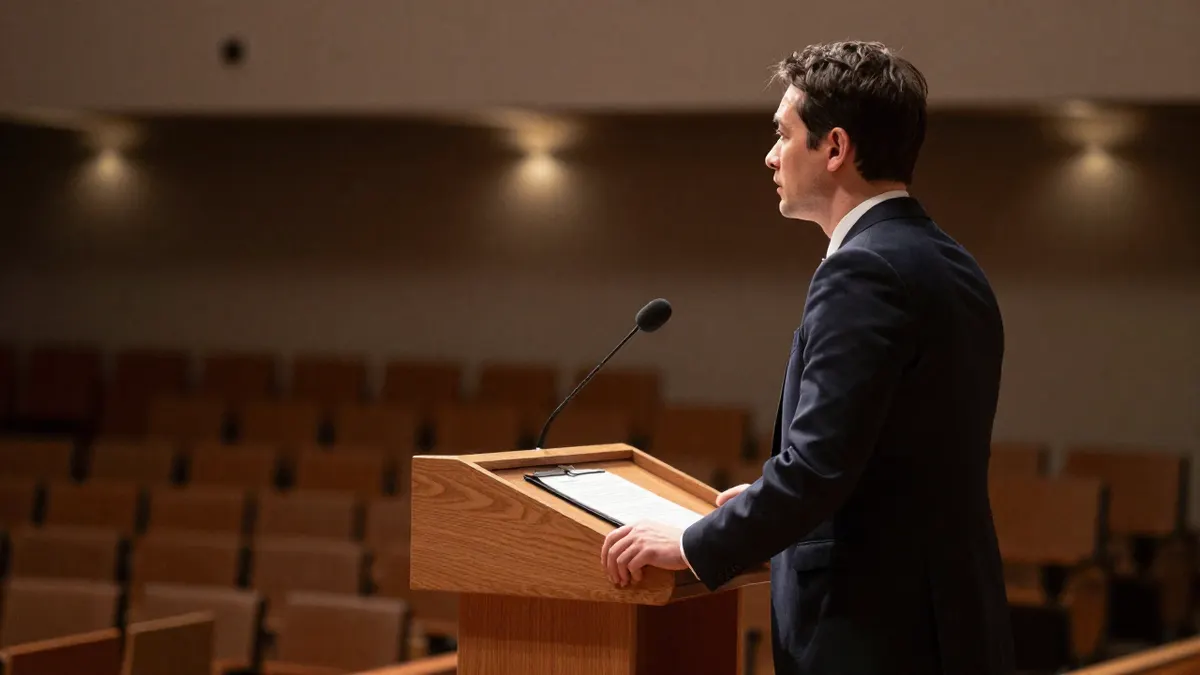
What Leadership Speaking Usually Covers
Topics repeat across the field because the problems repeat. Teams struggle with trust, with communication, with delegation and with managers who were promoted for technical skill but never taught to lead people.
The most common subjects include:
- Influence and how people follow someone without being forced
- Building and developing a team
- Communication, including how to give hard feedback
- Personal growth habits for leaders at any level
- Values, character and the choices that shape a reputation
John Maxwell's material, built around his 21 laws and the five levels of leadership, is the framework many speakers teach from. If you hear about "the Law of the Lid" at an event, that is where it comes from.
Leadership Speaking Engagements: Length, Size and Cost
Fees vary widely, and any figure here is only a rough guide. A local or regional speaker with a few years of experience often charges around $1,500 to $5,000 for a keynote. Well-known authors and former executives can ask $10,000 to $50,000 or more, plus travel.
Audience size matters less to price than most planners expect. A room of 40 and a room of 400 may cost about the same, because the speaker's preparation and travel are fixed. What does raise the price is customization. A talk built around your company's actual problems takes research, interviews and extra hours.
Questions to settle before you contact anyone
Decide the outcome first. Do you want people energized for a kickoff, or do you want managers to change how they run one-on-one meetings? Those are different jobs, and one speaker rarely does both well.
Then fix the date, the room, the length and the budget. Good speakers book 3 to 6 months ahead, and peak season (spring and fall) fills faster.
Choosing a Motivational Leadership Speaker
Motivation fades in a week. A good motivational leadership speaker sends people home with a few specific actions, not only a mood. Ask for a video of a full talk, not a two-minute highlight reel, and watch how the speaker handles questions.
Check three things. Does the speaker have real leadership experience, such as running a team or an organization? Can they name audiences similar to yours? And will they speak with your planner beforehand for at least 30 minutes? A speaker who skips that call is likely to give a canned talk.
Be wary of anyone who promises measurable results from a single hour. A talk starts something. Follow-up, such as a book club, a monthly discussion or coaching, is what makes it last.
Faith-oriented audiences
Churches, ministries and faith-based nonprofits often want content that connects leadership to their values. If that describes your group, read about faith based leadership before you brief a speaker, so you can say clearly how much scripture and spiritual language you expect.
Becoming a Speaker Yourself
Some people read about this field because they want to enter it. The usual path is slow: speak free at local clubs, chambers of commerce and school events, collect video and testimonials, and only then set a fee. Many new speakers take 1 to 3 years to land their first paid keynote.
Credentials help with trust, though they do not replace skill. Programs such as the John Maxwell Team certification program train people to teach, coach and speak using a shared curriculum. If coaching interests you as much as stage work, becoming a certified leadership coach is a related route that can pair well with speaking.
Frequently Asked Questions
How long is a typical leadership keynote?
Most run 45 to 60 minutes, including a short question period. Conferences with tight schedules sometimes ask for 30 minutes. Workshops need at least 2 hours to be useful.
How far ahead should I book a leadership speaker?
Plan on 3 to 6 months for established speakers. Large events or well-known names can need a year. Local speakers sometimes fit in on a few weeks' notice.
Do speakers customize their talks?
Good ones do. Expect a planning call and often a short survey of your team. Heavy customization may add to the fee.
What is the difference between a keynote and a workshop?
A keynote is mostly the speaker talking to the whole room. A workshop is interactive, with exercises, discussion and take-home tools. Keynotes inspire and frame an event, while workshops build skills.